
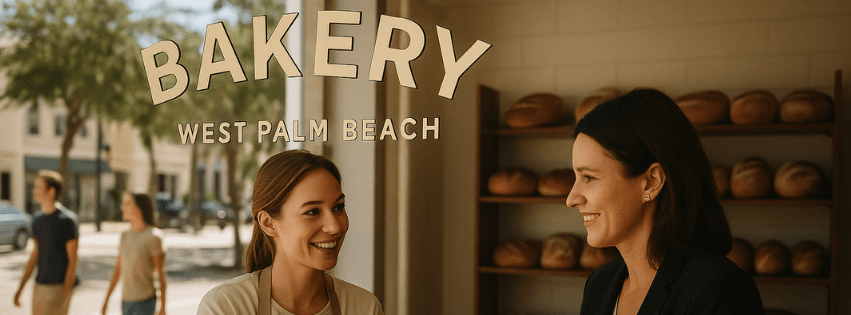
Last week, I sat down with Sarah, a bakery owner who makes the best sourdough I’ve ever tasted. Her storefront is always packed, but her website? Not so much.
“I don’t get it,” she said, frustrated. “I have a website. I post on social media. Why isn’t anyone finding me online?”
I pulled up Google and searched “best bakery near me.” Her competitor with mediocre bread and a half-empty shop appeared on the first page.
Sarah’s bakery? Buried on page four, where 99% of people never look.
The problem wasn’t her business. It wasn’t even her website design. It was something she’d never heard of: on-page SEO.
Three months later, Sarah’s website traffic increased by 280%. Her phone started ringing with catering orders. New customers walked in saying, “I found you on Google.
Nothing about her business changed except how Google understood her website. That’s the power of on-page SEO. And the best part? You don’t need to be a tech wizard to make it work.
In this blog you’ll learn:
- Why Google is ignoring your website (and the simple fixes that make you visible to thousands of potential customers)
- The 5 on-page elements that search engines actually care about and how to optimize each one without touching a line of code
- How to turn your website pages into customer magnets using words your ideal clients are already searching for
- The biggest on-page SEO mistakes small business owners make (you’re probably making at least two of them right now)
Let’s Talk About What On-Page SEO Actually Is
Here’s the thing most business owners don’t realize: having a website isn’t enough. It’s like opening a store in a building with no signs, no address, and curtains over the windows. You’re open for business, but nobody knows you exist.
On-page SEO is how you put up those signs. It’s how you tell Google and your future customers exactly what you do, who you help, and why someone should choose you.
It’s everything you control on your actual website pages: your words, your images, your page titles, and your structure. When done right, it’s the difference between being invisible and being the first result people see when they search for what you offer.
Why Should You Care? (Let Me Show You the Money)
Let’s be blunt: most small businesses throw money at ads because they think that’s the only way to get found online.
But here’s what nobody tells you 75% of people never scroll past the first page of Google results. If you’re not there organically, you’re invisible to three-quarters of your potential customers.
And unlike ads that stop working the moment you stop paying, on-page SEO keeps working for you 24/7. It’s like having a tireless employee who brings in qualified leads while you sleep.
Sarah’s bakery isn’t unique. We’ve seen it happen over and over: florists, accountants, plumbers, and consultants all stuck in the same trap of having a website that doesn’t work for them.
The 5 On-Page SEO Elements That Transform Your Visibility
1. Title Tags: Your First (and Sometimes Only) Impression
Your title tag is what shows up in blue on Google’s search results. It’s literally the first thing people see before deciding whether to click on your website.
Most small business owners make the same mistake: they use something generic like “Home | Smith & Associates” or just their business name.
Here’s the problem: nobody’s searching for your business name if they don’t already know you exist.
Instead, your title should tell people what you do and where you do it. Bad title: “Welcome to Garcia’s Bakery” Good title: “Fresh Artisan Bread & Custom Cakes | Garcia’s Bakery Miami”
See the difference?
The second one actually tells Google (and customers) what you offer and where you’re located. That’s how you show up when someone searches “custom cakes Miami.”
2. Meta Descriptions: Your 30-Second Elevator Pitch
The meta description is that little snippet of text under your title in search results. Google doesn’t rank you higher based on it, but it absolutely affects whether people click on your link or scroll past.
Think of it as your one chance to convince someone you’re worth their time.
Make it compelling. Make it specific. Tell them what they’ll get by clicking. Instead of: “Garcia’s Bakery has been serving the community since 1987.”
Try: “Order custom birthday cakes, wedding cakes, and fresh-baked sourdough. Same-day delivery is available in Miami. Family-owned since 1987.”
One makes you sound like every other business. The other makes someone’s mouth water and gives them a reason to click.
3. Header Tags: The Roadmap Google Follows Headers
(H1, H2, H3) are like chapter titles in a book. They tell both readers and search engines what each section is about.
Your H1 should be clear and keyword-focused. If you’re a landscaping company, don’t use something vague like “Creating Beautiful Spaces.” Instead, try “Professional Landscaping Services in Austin, Texas.”
Your H2s and H3s should break down your content into scannable sections. Most people don’t read online; they skim. Headers help them (and Google) quickly understand what you’re offering.
Plus, search engines use headers to figure out your page structure and what you’re really about. Use them strategically.
4. Content That Actually Answers Questions
Here’s where most business websites fail spectacularly: they talk about themselves instead of solving problems.
“We’re passionate about excellence.” “We pride ourselves on customer service.” “We’ve been in business for 20 years.”
Cool. But what does that do for someone who needs their pipes fixed at 9 PM on a Tuesday?
Your content should answer the questions your customers are actually typing into Google:
- “How much does kitchen remodeling cost in Denver?”
- “What’s the best type of mulch for Florida gardens?”
- “Do I need a lawyer for a small business contract?”
When you create content around real questions, two things happen: Google starts ranking you for those searches, and visitors actually find your content helpful, which means they’re more likely to call you.
Write like you’re explaining something to a friend over coffee, not like you’re writing a corporate memo. Be helpful. Be specific. Use the words your customers use, not industry jargon.
5. Images That Load Fast and Make Sense
Images make your site look good, but they can also slow it down to a crawl, and Google hates slow websites.
Every image should be compressed (made smaller without losing quality) and have descriptive file names. Instead of “IMG_4847.jpg,” name it “chocolate-birthday-cake-miami-bakery.jpg.”
Also, use alt text, the description that appears if an image doesn’t load. It helps visually impaired users understand your images, and it gives Google more context about your content. Win-win.
The Mistakes That Are Costing You Customers
Let me share the most common on-page SEO mistakes we see:
Mistake #1: Keyword stuffing. Repeating “Miami bakery” 47 times on one page doesn’t help; it hurts. Google’s smarter than that. Write naturally.
Mistake #2: Ignoring mobile. Over 60% of searches happen on phones. If your site looks broken on mobile, Google won’t rank you well. Period.
Mistake #3: Slow load times. If your page takes more than 3 seconds to load, half your visitors will leave. Compress those images and clean up your code.
Mistake #4: Duplicate content. Using the same text on multiple pages confuses Google. Each page should have unique, valuable content.
Your Next Step: On-page SEO
isn’t about gaming the system or tricking Google. It’s about making your website clear, helpful, and easy to understand for both search engines and real humans.
You don’t need a massive budget or a computer science degree. You just need to think like your customer and give Google the signals it’s looking for.
Start with one page. Fix the title. Improve the content. Optimize the images. Then move to the next page.
Or, if you’d rather focus on running your business while someone else handles the technical stuff, that’s exactly what we do. We’re a small team that works with small businesses—no corporate jargon, no six-month contracts, just real results.
Because at the end of the day, your website should be working as hard as you do.
Ready to stop being invisible? Let’s talk about getting your business on page one.